Selecting the right ammunition can make all the difference, whether you’re practicing at the range, preparing for a hunt, or focusing on home protection. While firearms themselves often get most...
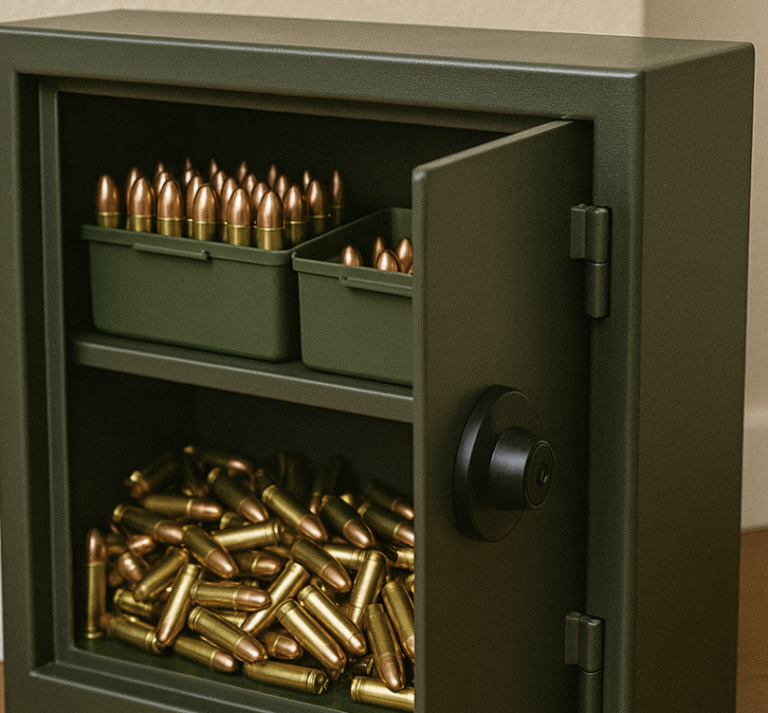
Storing ammunition safely and legally is one of the most important responsibilities for any firearm owner. While it may seem straightforward, the laws, best practices, and common-sense guidelines can vary...
Safe handling and transport of ammunition is a fundamental part of responsible firearm ownership. Whether you’re heading to the range, storing your gear at home, or driving across town for...
Bullet weight is one of those details that many new shooters overlook at first, but it has a meaningful impact on accuracy, recoil, and overall performance. Measured in grains, bullet...
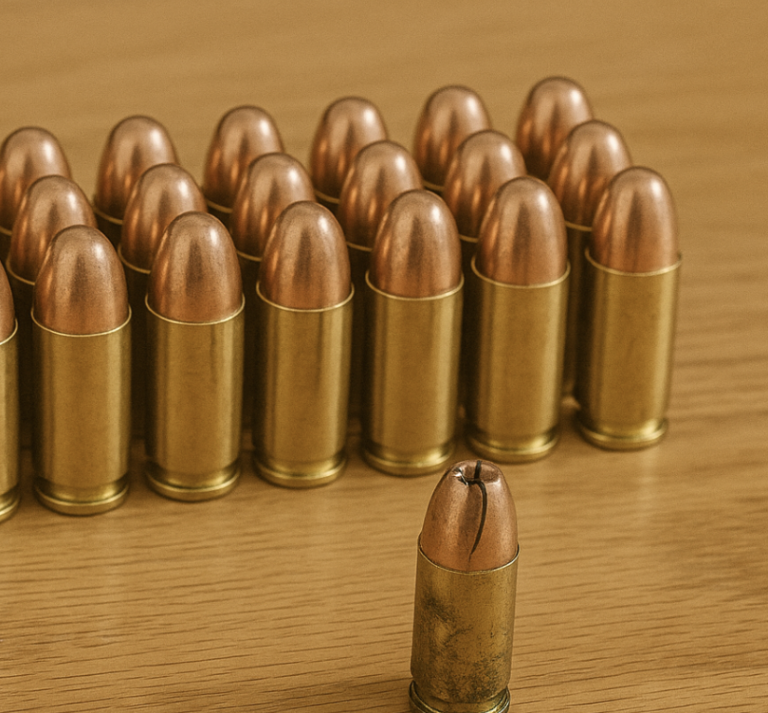
Ammunition is built to last, but like any manufactured product, it can eventually become unsafe or unreliable. Whether it’s corroded rounds you found in the back of a drawer, ammunition...
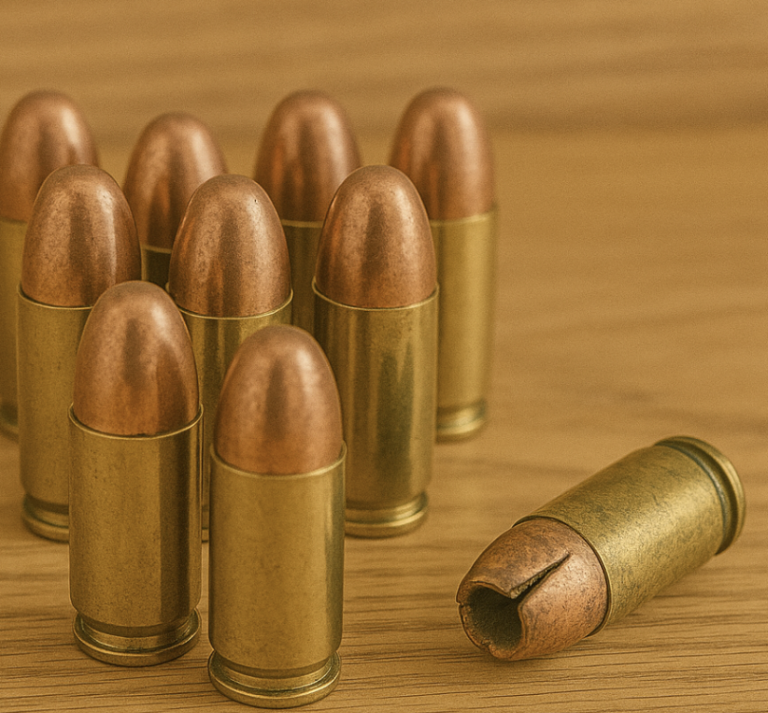
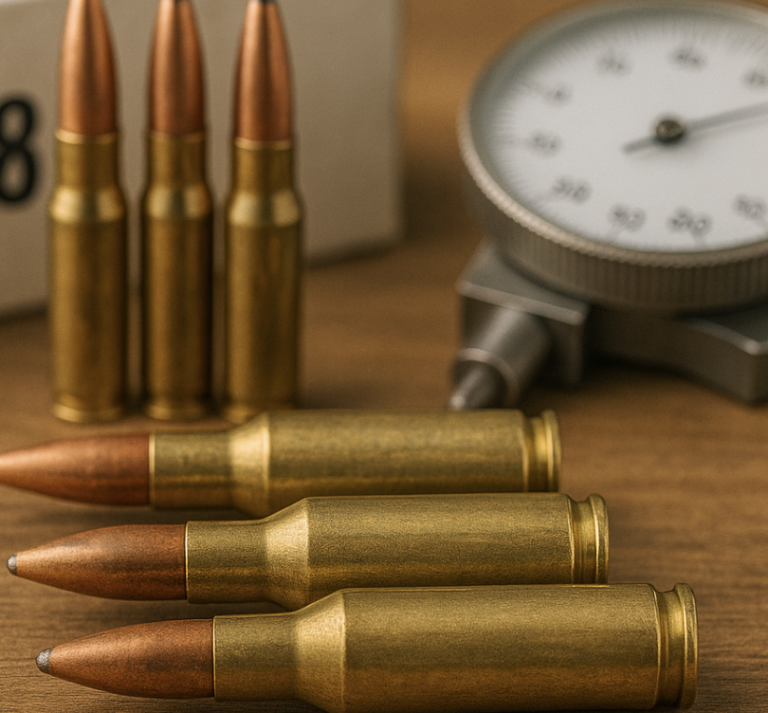
Ammunition may seem simple on the surface, but every cartridge is a carefully engineered combination of components designed to work together. When one part becomes compromised—whether through age, mishandling, or...
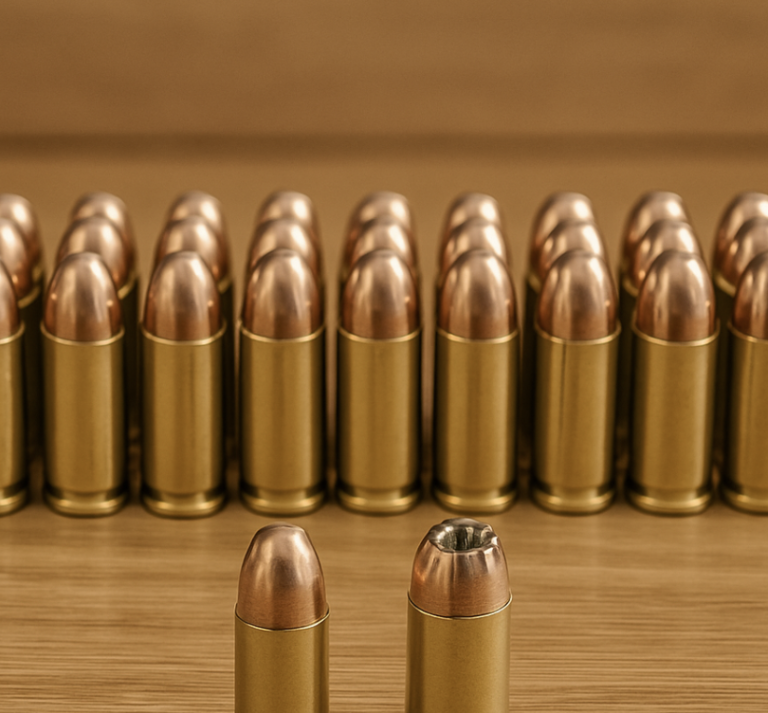
Choosing the right ammunition begins with understanding how different bullet designs function. Two of the most common types—Full Metal Jacket (FMJ) and Hollow Point (HP)—serve very different purposes, even though...
Traveling with ammunition is something many firearm owners eventually need to do, whether it’s for a hunting trip, a shooting competition, or a vacation where range time is on the...
Shooting ranges offer a controlled environment where firearm owners can practice, learn, and sharpen their skills. But not all ranges are the same. Indoor and outdoor shooting ranges each come...
Grain weight is one of the most commonly referenced specifications in ammunition, yet it’s often misunderstood by new shooters. The term shows up on every box of ammo—115 grains, 124...