
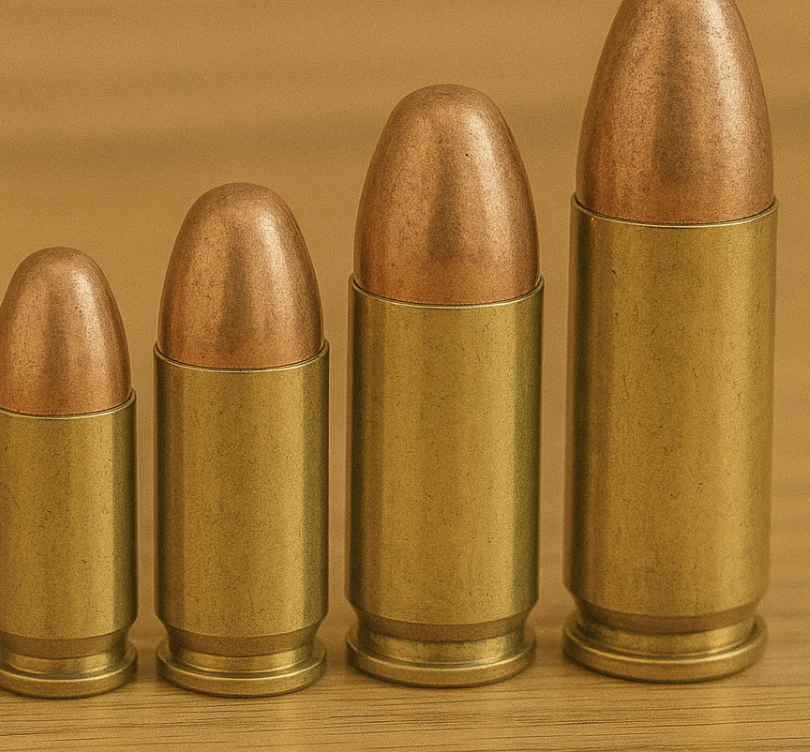
Building a dependable ammo stash starts with choosing the right calibers to keep on hand. While it may be tempting to stock up on every caliber you own, a more focused approach leads to a stronger, more practical long-term supply. By understanding your needs, your firearm collection, and the purpose behind your stash, you can make smart decisions about which calibers belong at the core of your inventory.
The first step is identifying your most frequently used calibers. For many gun owners, this includes common handgun rounds such as 9mm, .40 S&W, or .45 ACP, as well as widely used rifle calibers like .223/5.56 or .308 Winchester. These calibers tend to be easier to find, more affordable, and more versatile across different types of training and shooting activities. If a particular firearm is part of your regular routine, the ammunition it uses should likely be near the top of your list.
Next, consider the purpose of your ammo stash. Every gun owner has different priorities. Some maintain a stash for target practice and skill development. Others build reserves for hunting, home defense, or long-term readiness. Each purpose influences the calibers you should focus on. For example, if you frequently train with a certain handgun, its caliber deserves steady replenishment. If you hunt deer each season, specific rifle ammunition designed for ethical harvesting should also be part of your long-term plan.
Another helpful approach is prioritizing calibers that are widely available. Common calibers tend to remain more stable during market fluctuations, making them easier to replace and restock over time. They are also more likely to be available during high-demand periods. While specialty calibers certainly have their place, relying heavily on rare or niche ammunition can make long-term planning more challenging.
It’s also useful to consider calibers that serve multiple roles. Some rounds are flexible enough to be used for practice, training, sport shooting, and certain defensive purposes. Others are more specialized. For example, .22 LR is affordable, easy to store in bulk, and ideal for skill building. Meanwhile, calibers like .223/5.56 can be used for both recreational shooting and certain types of hunting, depending on local regulations and ammunition type. Choosing calibers with multiple applications helps make your stash more versatile.
Firearm redundancy also plays a role in caliber selection. If you own several firearms that share the same caliber, keeping a larger supply of that round ensures each firearm remains usable and ready. This redundancy makes your stash more efficient. Instead of spreading your supply across many uncommon calibers, consolidating around the calibers used by your core firearms keeps your stockpile balanced and practical.
Budget is another important consideration. Some calibers are consistently more affordable than others, while certain specialty rounds can be significantly more expensive. Focusing your efforts on affordable, high-volume calibers helps your stash grow quickly without straining your budget. You can then allocate smaller portions of your budget toward more expensive calibers as needed.
As your stash grows, maintaining a simple caliber priority list can help guide your decisions. This list, organized by importance or usage frequency, gives you a clear roadmap for your purchasing habits. When prices drop or sales appear, you can quickly identify which calibers to focus on. When your budget is limited, you know exactly which calibers provide the most value.
Finally, remember that choosing the right calibers is not a one-time decision. As your shooting habits evolve, your firearms change, or your goals shift, your caliber priorities may change as well. Periodically reviewing your needs ensures your stash remains aligned with how you actually shoot.
Building an effective ammo stash starts with thoughtful caliber selection. By focusing on the calibers you use most, choosing versatile and widely available rounds, and keeping your priorities clear, you create a supply that is consistent, practical, and dependable over the long term.
Leave a Comment