
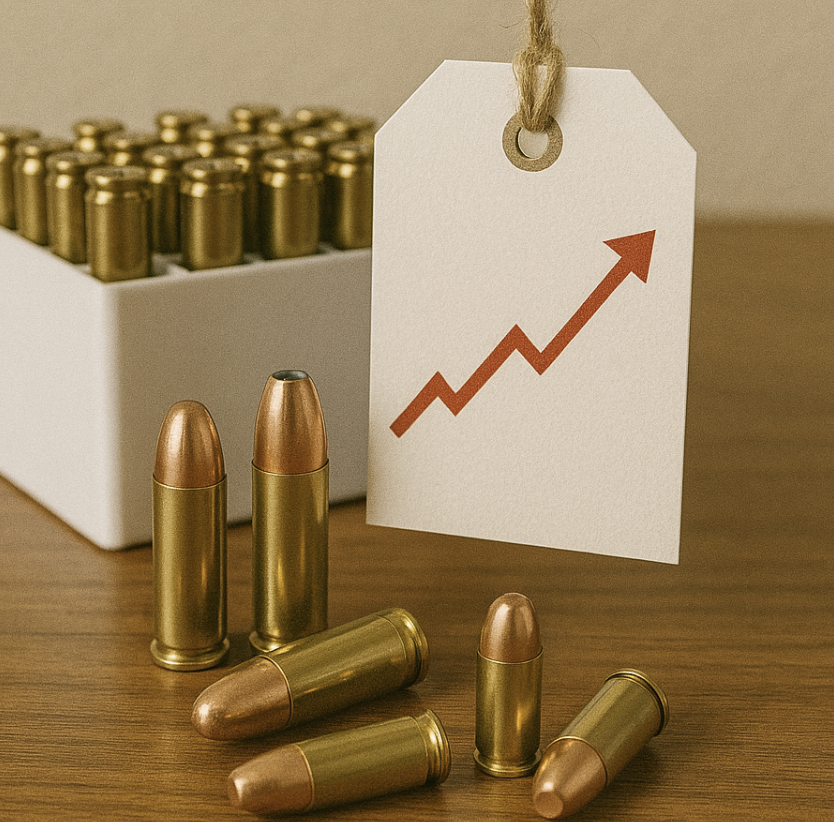
Anyone who has purchased ammunition for more than a year or two has noticed a pattern: prices rise, prices fall, and availability can shift without much warning. These changes often feel unpredictable, but they follow certain patterns that repeat over time. Understanding these market cycles helps gun owners make smarter decisions about when to buy, how much to store, and how to budget effectively. With a clearer picture of how the market behaves, managing your ammo stash becomes far more strategic and far less stressful.
One of the biggest drivers of ammo price fluctuations is supply and demand. When demand spikes—whether due to political uncertainty, world events, or increased interest in firearms—retailers experience higher sales volume. When that demand grows faster than manufacturers can increase production, shelves empty and prices rise. The opposite is also true. After a period of high demand, the market often stabilizes, manufacturers catch up, and prices slowly settle back into a more normal range. These cycles repeat every few years.
Another factor is the cost of raw materials. Ammunition production relies heavily on metals such as brass, copper, and lead. When global metal prices rise, manufacturers face higher production costs. These costs may then be reflected in retail pricing. Conversely, when material costs drop, ammunition prices sometimes follow. Staying aware of general metal price trends won’t predict exact ammo prices, but it helps explain why certain calibers become more or less expensive at different times.
Manufacturing capacity also plays an important role. Ammunition plants operate at different production levels depending on market conditions. During times of normal demand, capacity generally meets consumer needs. However, when demand surges, manufacturers cannot instantly expand production. Building new facilities or adding new lines takes time. This lag creates temporary shortages. Once production catches up, supply increases, shelves restock, and pricing begins to normalize.
Political climate is another major influence on ammo market cycles. Election years, proposed legislation, and high-profile events often lead to increased purchasing. Many gun owners choose to buy extra ammunition during uncertain periods, anticipating potential future restrictions or shortages. Even if shortages never materialize, the increased buying can cause temporary scarcity. Understanding these patterns helps gun owners recognize when price spikes are more about public reaction than about underlying long-term trends.
Seasonal factors also play a role. For example, hunting seasons can temporarily increase demand for specific calibers. This often results in short-term price increases or tighter availability. Range seasons, training events, or competition periods can also contribute to localized or temporary spikes. Planning ahead for these seasonal cycles helps you avoid buying at higher prices.
Another influencing factor is logistics and transportation. When shipping costs rise or freight delays occur, manufacturers and retailers may face increased expenses, limited inventory flow, or slowed deliveries. Fuel prices, global shipping issues, and workforce shortages all affect how quickly ammunition moves through the supply chain. These disruptions can lead to temporary increases in store prices or reduced stock on shelves.
For the individual gun owner, understanding these cycles provides a major advantage. When you know that prices are typically lower during periods of calm, you can focus your purchasing during those times. When you recognize the early signs of a demand spike, you can avoid panic buying and instead rely on the stash you’ve built gradually over time. This approach helps you stay prepared without overpaying.
A steady, disciplined buying habit allows you to bypass most market fluctuations entirely. By purchasing small amounts consistently—regardless of external cycles—you build a buffer that protects you from shortages or price increases. When prices rise, you can rely on your stash. When prices fall, you can replenish at a good value.
Understanding market cycles doesn’t eliminate price changes, but it helps you navigate them with confidence. By paying attention to supply, demand, material costs, politics, and seasonal trends, you can build and maintain your ammo stash with greater predictability and less stress.
Leave a Comment