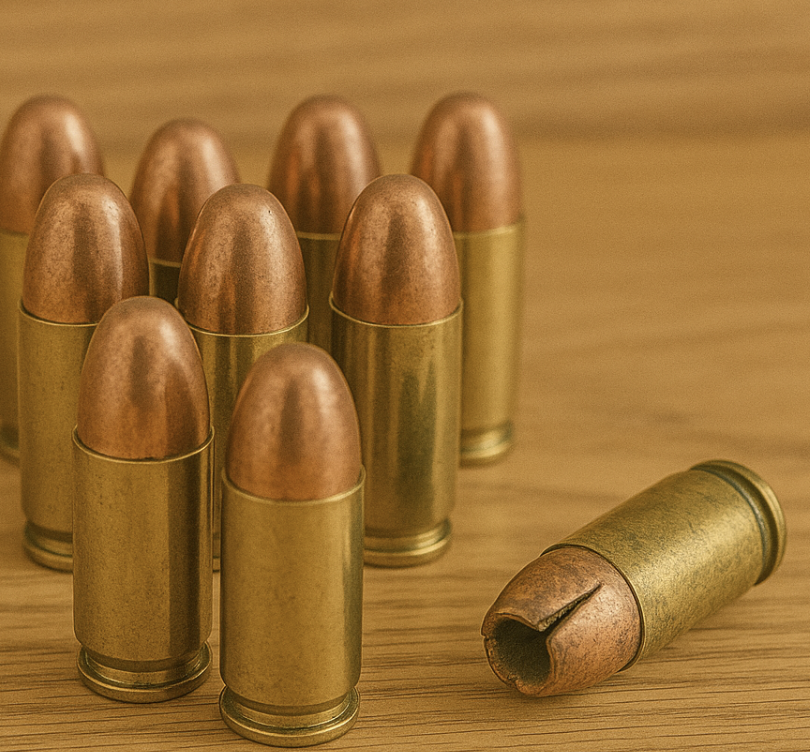
Ammunition is built to last, but like any manufactured product, it can eventually become unsafe or unreliable. Whether it’s corroded rounds you found in the back of a drawer, ammunition exposed to moisture, or cartridges that simply look questionable, disposing of old or damaged ammo must be done carefully and responsibly. Understanding the right way to handle disposal keeps your home safe, prevents accidents, and ensures you remain compliant with local regulations.
The first step is recognizing when ammunition is no longer suitable for use. Corrosion on the case, discoloration, dents, cracks, or loose bullets are all signs that a round should not be fired. Exposure to extreme humidity or water can also damage primers and powder, making ignition unpredictable. If you come across ammunition that raises any concerns, the safest option is to set it aside rather than taking a chance on the range.
Once you identify ammo that needs to be discarded, resist the urge to simply throw it in the garbage. While ammunition is not explosive in the way many people imagine, placing live rounds in household trash poses unnecessary risks. Compaction trucks, high heat, or crushing pressure could lead to accidental ignition. Even if rare, the possibility is enough reason to avoid general waste bins entirely.
Recycling centers are another place to avoid. Many facilities are not equipped to handle live ammunition and may reject loads that contain it. Bringing ammo to a standard recycling drop-off can create safety concerns for workers. Instead, look for disposal programs or facilities with specific procedures for handling ammunition safely.
The most reliable method is to contact your local law enforcement agency. Police departments, sheriff’s offices, and sometimes highway patrol stations often accept old or damaged ammunition for safe disposal. Policies vary by location, so it’s a good idea to call ahead and confirm. They may have designated drop-off times or specific storage requirements before you bring it in. Handing ammunition directly to professionals ensures it will be handled according to proper safety standards.
Another option is to reach out to local shooting ranges. Many ranges—especially indoor facilities—have relationships with disposal services or may collect damaged rounds from shooters. Staff can point you in the right direction or, in some cases, accept the ammunition themselves. Because ranges frequently deal with spent casings, old targets, and hazardous materials, they often have established disposal routines.
Household hazardous waste programs can also be a resource. Some cities and counties host periodic collection events where residents can drop off chemicals, batteries, and other materials that should not go into the trash. Ammunition is sometimes included on the list of accepted items. Checking your county website or contacting the waste management department can clarify whether ammunition is eligible for these events.
One thing that should never be done is attempting to dismantle or deactivate ammunition at home. Pulling bullets, removing primers, or emptying powder without the proper tools and training can be dangerous. Even experienced reloaders follow strict procedures when handling components. For anyone without technical experience, the safest approach is to let professionals manage the disposal process.
When transporting ammunition for disposal, keep the rounds in their original packaging or place them in a sturdy container. Transport them in your trunk or cargo area, separate from any firearms, and avoid exposing them to heat or direct sunlight. Even when rounds are damaged and destined for disposal, the same principles of safe handling still apply.
Responsible disposal is ultimately about maintaining a safe home and community. Old or questionable ammunition doesn’t belong in the trash, and it shouldn’t be left to sit indefinitely in a drawer or garage. By using the proper channels—law enforcement, ranges, or authorized collection programs—you ensure that potentially unsafe rounds are handled with care and disposed of properly. This small step goes a long way toward promoting safe and responsible firearm ownership.
Leave a Comment