
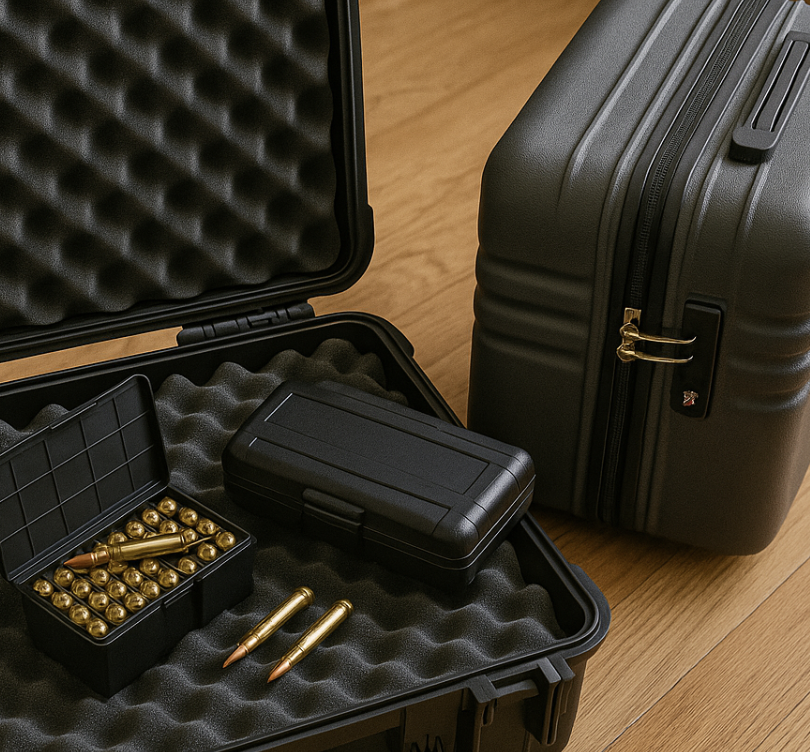
Storing ammunition for the long term isn’t complicated, but it does require intention. Ammo is durable by design, but it’s not invincible. Heat, moisture, corrosion, and poor organization can shorten its life or undermine its reliability—two things no gun owner wants to deal with when it matters most. Whether you keep a modest supply or a sizeable stash, the fundamentals are the same: protect the ammo from the elements, handle it carefully, and maintain a predictable system. This article walks through the core principles that keep ammunition in optimal condition for years, even decades.
The first pillar of long-term storage is moisture control. Water is the enemy of ammunition, not because ammo dissolves, but because moisture leads to corrosion. Corrosion on cases or primers compromises reliability and can weaken the metal. The simplest way to prevent this is to store ammunition in sealed containers that keep out humidity. Ammo cans with good rubber gaskets remain the gold standard. Once sealed, those containers should remain in a space with stable humidity—typically indoors, not in a shed, garage, or attic unless those spaces are climate-controlled. Adding silica gel or desiccant packs inside each container provides additional protection by absorbing any moisture that sneaks in.
The second factor is temperature stability. Ammunition can handle a wide range of temperatures, but extreme heat accelerates chemical breakdown inside the powder. Cold won’t ruin ammo, but drastic temperature swings can. The best practice is to store ammunition in a location where temperatures stay relatively stable over time. A closet, dedicated cabinet, or indoor storage room works well. Storing ammunition in the trunk of a car, garage rafters, or an outdoor building exposes it to large temperature fluctuations that shorten its usable life.
Organization and labeling matter more than most people realize. Many gun owners accumulate ammunition gradually—buying some for training, some for home defense, and some during times of good availability. If it all gets tossed into one container, you’ll never know which batches are older or what needs to be rotated out first. Label your storage containers with the caliber, brand, grain weight, and date of purchase. This not only helps you grab the correct ammo quickly, but it also lets you keep a predictable rotation system without guessing what’s been sitting the longest.
Next, consider container integrity. If you use metal ammo cans, ensure the gasket on the lid is in good condition and seals tightly. If you prefer plastic containers, choose thicker, robust models with strong locking lids. Containers should not flex excessively, crack under pressure, or allow dust and water intrusion. Before sealing a container, check that the ammo is completely clean and dry. Even a small amount of dirt or debris can attract moisture or compromise the seal.
Another important factor is avoiding unnecessary handling. The more frequently you open and close your ammo cans, the more opportunities for humidity to enter. It’s helpful to divide ammo into multiple smaller containers instead of packing everything into one large can that needs to be opened constantly. This keeps the majority of your stock sealed and protected for longer stretches of time.
Finally, store ammunition away from chemicals and oils. Solvents, cleaners, and oils can seep into packaging or seep through microscopic gaps over time. These chemicals can degrade primers or powder. A separate storage area for cleaning supplies and gun oil is ideal.
In the end, long-term ammo storage is simply the sum of good habits: control moisture, maintain stable temperatures, keep your storage systematic, and ensure reliable containers. When these fundamentals are in place, ammunition can remain dependable for decades—ready to perform exactly when you need it.
Leave a Comment